"Zurich International Tournament" by David Bronstein review
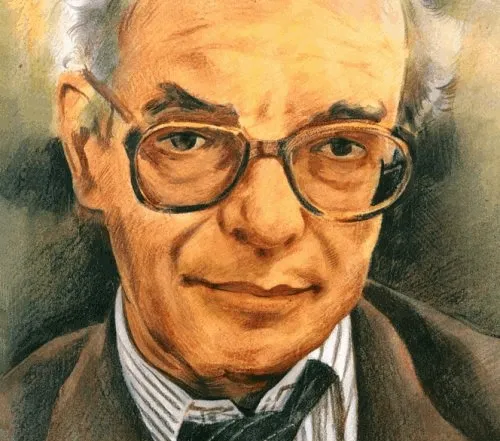
There are books which, after publication, go unnoticed and simply do not find their reader. This often happens when the author isn’t trying to put his soul into the work, a piece of himself. But this book, of course, does not fall into that category. David Bronstein had a wonderful charm and a good sense of humor, and all of this is reflected in this monumental work. Most interesting is that this book can be read at any level of chess strength — you could even read it without any knowledge of chess at all, it’s that engaging. The book describes the events and atmosphere of what was certainly one of the strongest tournaments of the 20th century. Behind the scenes was the chess struggle for access to the World Chess Championship, and the confrontation between the two schools — Western and Soviet — was a particular highlight of the event. It became clear that the bloodless draws between Soviet chess players were part of a big political game rather than a logical conclusion of play. It was necessary to stop Western representatives at this stage.
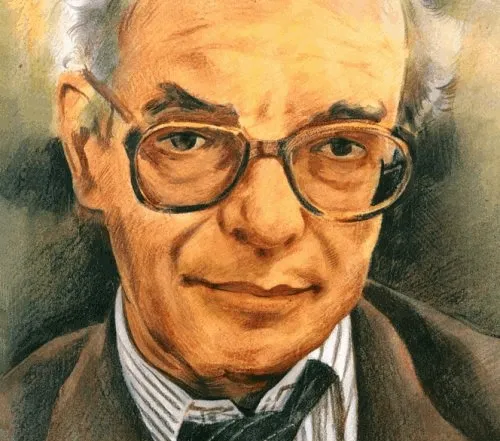 David Bronstein
The level of analysis in the games is remarkable — no wonder, since David played a drawn match, 12-12, for the world title against the father of Soviet chess, Mikhail Botvinnik. You can trust his professionalism, and as history has shown, this man always tried to show the beauty and depth of chess to all lovers of the game. And we must remember that this titanic work was done without a computer, entirely by hand, which commands a lot of respect. The tournament was also full of simply delightful games — not surprisingly, since it involved the elite of world chess, many of whom had been, or would go on to become, contenders for the championship title or world champions themselves. We must mention the delicious game Averbakh-Kotov, with a queen sacrifice for a pawn on h3, or the purely intuitive pawn sacrifice with check in the Geller-Euwe fight (Dr. Euwe was a former World Champion and president of FIDE, by the way). After spending much time on analysis with a strong chess engine, we come to conclusions similar to those stated in the book — a bright indicator of the tremendous work done by the author and the other grandmasters. So try to enjoy a trip back to this past age of heroes and giants of chess. The book is, of course, a must-read.
Related book: “The Road to the Top” by Paul Keres
26th of August 2011