"Chess Fundamentals" by Jose Raul Capablanca review
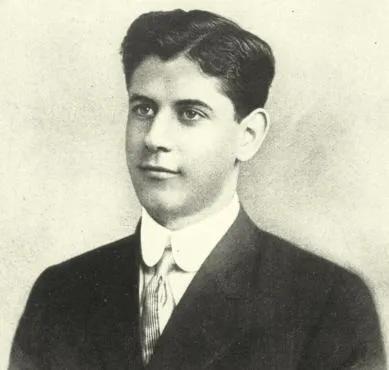
Here is one of the books of the great Cuban chess wizard Jose Raul Capablanca. Long ago it was thought that the art of the game needed to be learned from the best masters. Of course, the author was considered the best chess player of the 1920s. It was virtually impossible to win a single game against him in this period. Capablanca was not very modest, and after winning the title in 1921 he lost some sense of reality and objectivity — after all, nothing seemed to presage disaster. And suddenly, in 1927, he unexpectedly lost the title to Alexander Alekhine. It was a shock, because how could a chess genius lose? Nobody knows exactly how much time Capablanca spent on chess — there were rumors that he didn’t even keep a chess board with pieces at home. But we believe this is an exaggeration. After all, how else could he have written all his books — blind?
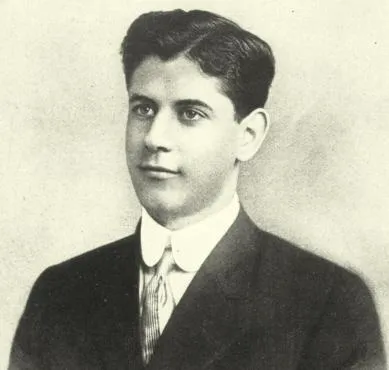 Jose Raul Capablanca
The author faced a huge task: to tell about chess fundamentals. But apparently it is so difficult that this little book can’t cover all aspects of the game. After reading it, a residue of understatement and incompleteness remains. At the beginning of the book the author explains the basics of the endgame — Capablanca believed that everyone should study chess starting from the endgame, then the middle game, and only at the very end the openings. But, alas, it’s impossible to give a meaningful account of it all using just a few elementary examples. We believe the most instructive part is the endgame principles, since they haven’t changed much over the past 100 years. The author barely touches on openings, only listing the main ideas of initial piece development — historically this is fair, as opening theory has changed dramatically since then. Capablanca preferred to solve opening problems during the game itself; one may recall the legendary Marshall counter-attack, when he found a new refutation of the American grandmaster’s idea over the board. The book is full of illustrative games with the author’s annotations. The only problem is that for novice players these games are too complex. Overall, the book came out pretty good, but it is not recommended for beginners. On the other hand, a strong chess player doesn’t need knowledge of elementary traps and combinations. The overall conclusion is that the book can be recommended for mid-level players wanting to improve their endgame and their ability to form game plans, thanks to Capablanca’s excellent commentary.
Related book: “Zurich International Tournament” by David Bronstein
6th of September 2011